
When spring returns to Hocking Hills, the forest floor transforms into a living palette of color. Delicate flowers unfurl beneath towering trees, along sandstone cliffs and beside winding creeks. I’ve walked the trails here in every season, and there’s nothing quite like the first warm days when hepatica, bloodroot and trillium push through the leaf litter. In this guide you’ll learn when to see the best blooms, where to find them and how to make the most of your visit.
Wildflower season invites both seasoned hikers and casual wanderers. Some visitors come for the rare blooms; others simply crave the peace of a quiet forest painted in soft hues. Whatever draws you in, Hocking Hills in bloom is an experience you won’t soon forget.
Why wildflower season in Hocking Hills is so special
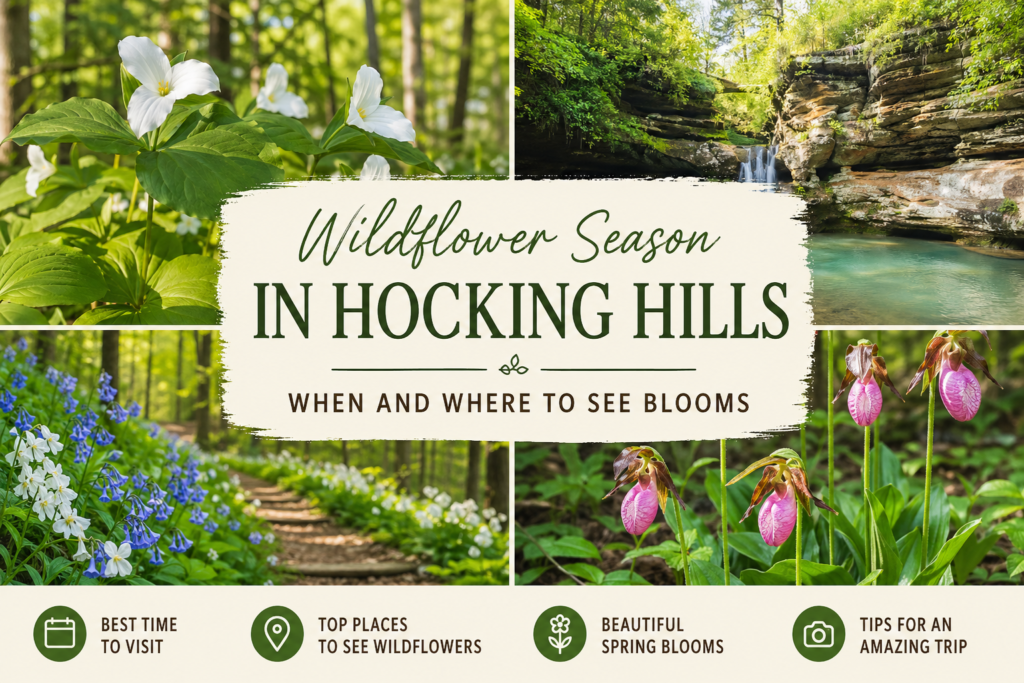
Hocking Hills is one of the most biodiverse corners of Ohio. Its shaded ravines, rocky cliffs, rich soils and cool microclimates create perfect conditions for hundreds of native plant species to thrive. More than 300 species of flowers, shrubs and trees bloom across the region from late March through early June. Early flowers like hepatica, bloodroot and trout lily give way to mid‑season favorites such as trillium, columbine and wild geranium, and by late spring you can see bold cardinal flowers and ironweed along streams and clearings.
What makes Hocking Hills even better? Many wildflower displays are accessible from easy‑to‑reach trails. A short walk can bring you to sweeping carpets of trillium or clusters of Virginia bluebells. Because the blooms follow light and water rather than strict calendars, each visit feels a little different. Seasoned hikers often plan multiple trips to catch different species as they appear. If you’re a photographer or simply love nature, arriving early in the morning when the light is soft and crowds are sparse will make the experience even more magical.
When is wildflower season in Hocking Hills?
Timing is everything for wildflower hunters. Bloom season typically runs from late March into early June, but weather plays a big role. In general, the best displays occur from mid‑April through early May when temperatures are mild and rainfall is plentiful. Early spring brings ephemerals like hepatica, bloodroot and spring beauties. By mid‑to‑late spring you’ll see trillium, wild geranium, wild blue phlox and Virginia bluebells. Summer introduces taller blooms such as black‑eyed Susans and bee balm, and in early fall goldenrod and asters take over the meadows.
Weather can shift the schedule by a week or two. A warm March might produce blooms earlier than usual, while a cool April could delay peak color. Heavy rain contributes to lush displays, but muddy trails may be slippery, so wear sturdy shoes. Because conditions vary year to year, consider checking recent trail reports or joining local wildflower hikes to get updates on what’s in bloom.
Where to find wildflowers in Hocking Hills
Where to find wildflowers in Hocking Hills is a question I hear all the time—and the good news is there are many options. Here are five of the most popular sites and the blooms you might see:
| Location | Notable blooms | Highlights |
|---|---|---|
| Ash Cave | Trillium, bloodroot, Dutchman’s breeches, trout lily | A huge recess cave with a seasonal waterfall; the valley floor showcases brilliant displays of wildflowers year‑round |
| Old Man’s Cave | Trillium, trout lily, spring beauty | Deep gorge with scenic bridges and waterfalls; wildflowers appear along boardwalks and shady ravines |
| Cedar Falls | Purple coneflower, black‑eyed Susan, blazing star | A cascade surrounded by hemlock trees and lush greenery |
| Conkle’s Hollow | Dutchman’s breeches, jack‑in‑the‑pulpit, mayapple | Narrow gorge known for rock formations and diverse plant life |
| Rock House | Columbine, Virginia bluebells, wild geraniums | Natural rock formation with cliff‑side trails and panoramic views |
Each site has its own character. Ash Cave’s cavernous opening and waterfall create a dramatic backdrop for carpets of trillium and Dutchman’s breeches. Old Man’s Cave offers a mix of rock shelters and boardwalks where trout lilies and spring beauties thrive. Cedar Falls is ideal for mid‑season blooms, while Conkle’s Hollow and Rock House reward visitors with quieter paths and rare species. Pack water, snacks and a camera so you can linger at each stop without rushing.
Where to see wildflowers in Ohio beyond Hocking Hills
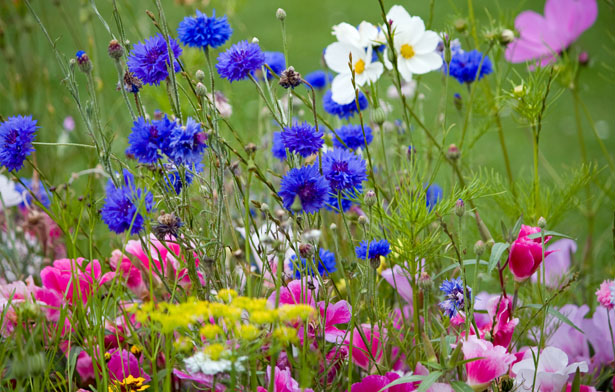
While Hocking Hills is a standout destination, Ohio offers many other wildflower havens. Consider a day trip to Lake Hope State Park, where early spring carpets of bloodroot and bluebells line quiet hills. Caesar Creek Gorge State Nature Preserve in southwest Ohio is home to rich biodiversity and rarely gets crowded. Shawnee State Forest—the state’s largest forest—is known for rare species and remote serenity. Oak Openings Preserve Metropark in northwest Ohio blends sand prairies and oak savannas, harboring unique blooms like wild lupine and dwarf iris.
For an overview of Ohio’s wildflower calendars and plant lists, explore the Ohio Department of Natural Resources wildflower guide. This resource offers bloom schedules and maps for state parks, nature preserves and metro parks. Plan your outings to catch the diverse palette across the state.
What not to miss in Hocking Hills?
Wildflowers may be the highlight, but Hocking Hills has plenty more to discover. Don’t miss Cedar Falls—the largest waterfall in the region—and the towering cliffs of Cantwell Cliffs. The scenic overlook at Conkle’s Hollow Rim Trail offers sweeping views of the gorge, especially spectacular at sunrise. I always make time for Rock House, a natural sandstone tunnel with arched windows that frame the forest. If you’re visiting in warmer months, you might be curious about cooling off in local streams; the guide Can you swim in Hocking Hills? Safety tips & best spots explains the rules and suggests safe swimming areas.
Beyond natural features, there are charming small towns nearby. Logan and Laurelville offer cozy diners, unique rock shops and farmers markets. Stop by a local bakery for fresh pastries before heading out on the trails, or visit an antique store for a dose of local history. A short drive along scenic byways will lead you through covered bridges and rolling farmland. These little detours make the journey even more memorable.
Plan your stay: Relax close to nature
After a long day of hiking and flower spotting, there’s nothing better than a peaceful place to unwind. Staying overnight lets you explore at your own pace without feeling rushed. For a romantic escape, browse Cabin Stays in Hocking Hills, 5‑Star Rated Hocking Hills Getaways, or cozy Hocking Hills Tiny Homes. These options put you just minutes from the trails and often include private decks, fire pits and scenic views.
If you’re traveling with family or want more space, consider Vacation Rentals in Hocking Hills or treat yourself to luxury hocking hills rentals for a bit of indulgence. Some lodges feature hot tubs, game rooms and panoramic windows, making them ideal for group trips or special occasions. Wherever you stay, plan ahead—spring weekends are popular, and accommodations book quickly.
Tips for a great wildflower adventure
- Stay on marked trails. Foot traffic can damage delicate plants. Follow signs and boardwalks to protect fragile habitats.
- Leave flowers as you find them. Picking blooms shortens their life and prevents them from setting seed. Take photos instead.
- Wear sturdy shoes and dress in layers. Trails can be muddy or rocky, and spring weather changes quickly. A rain jacket and extra socks go a long way.
- Bring water and snacks. Even short hikes require hydration and energy. A thermos of coffee or tea is a nice treat on chilly mornings.
- Use a plant ID app or field guide. Identifying flowers adds another layer of enjoyment, and it’s fun to learn the names of the blooms you encounter.
- Visit early or on weekdays. Crowds are thinner, wildlife is more active and the light is perfect for photography.
- Be patient and observant. Many blooms are tiny or tucked away under ferns. Slow down and you’ll be rewarded with hidden gems.
Seasonal events and guided hikes
If you’d like expert insight, join the annual Wildflowers and Waterfall Hike held each April in Hocking Hills. Local naturalists lead small groups along popular trails, pointing out blooms and sharing stories about the area’s ecology. These free hikes typically run from late April through the last week of the month and vary in difficulty, so there’s something for every skill level. Other spring events include birding walks, photography workshops and educational programs hosted by park rangers.
Guided hikes often fill quickly, so reserve your spot early. If you can’t join a formal tour, print a trail map from the park website or download it to your phone. Many trails are well‑marked, and interpretive signs provide interesting facts about geology, flora and local history. Attending an event or tour is also a great way to meet other nature lovers and exchange tips on hidden wildflower patches.
Conclusion: Plan your wildflower season itinerary
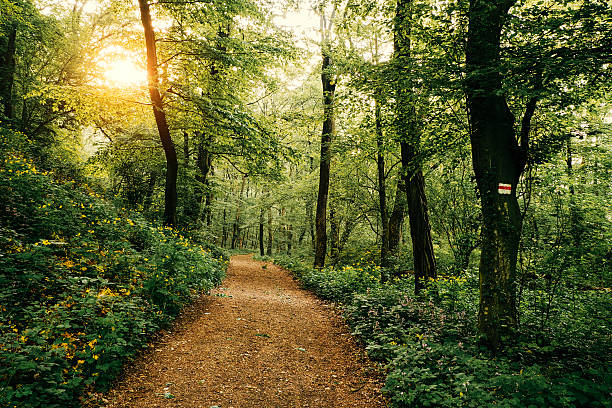
Whether you’re chasing rare blooms or simply savoring a slow walk through the woods, wildflower season in Hocking Hills is a gift. The mix of colorful flowers, towering cliffs and tranquil waterfalls creates a sense of wonder that keeps visitors returning year after year. By timing your visit between late March and early June, exploring the best trails and respecting the ecosystem, you’ll experience the region at its most vibrant. Personally, I never tire of seeing the forest awaken after winter, and I hope this guide helps you fall in love with it too.
Spring passes quickly, so start planning now. Choose your routes, pack a camera and perhaps stay a night or two to savor the magic. Hocking Hills in bloom is waiting—go find those wildflowers and make memories that will last long after the petals fade.