Hocking Hills is a place where the night sky still feels wild. If you’ve ever looked up from a city backyard and tried to see more than a handful of stars, you’ll appreciate how rare it is to find a truly dark sky. Tucked away in southeastern Ohio, this region sits far from the glare of urban centres, and its forested gorges and meadows open up to a canvas of stars. Visitors come for the waterfalls and trails, but many soon discover that the greatest show starts after sunset. In this guide, I share why the answer to Is Hocking Hills good for stargazing? is a resounding yes, and I offer insights and tips to make your own nighttime adventure memorable.
Why Is Hocking Hills Good for Stargazing?
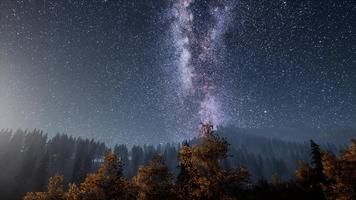
Hocking Hills sits in one of the few remaining areas in Ohio where the night sky can still be seen nearly pristine. The rolling hills act as a natural barrier to city lights, and the state park’s design preserves dark conditions. When you combine this setting with clear Midwestern air, you get a place where stars emerge by the thousands and the Milky Way stretches from horizon to horizon. Is Hocking Hills good for stargazing? Absolutely—thanks to thoughtful stewardship and geography, light pollution remains minimal.
Seasoned stargazers will tell you that dark sites matter, but you don’t need a telescope to enjoy this experience. Bring your eyes, let them adjust for twenty minutes, and you’ll start picking out constellations you haven’t seen since childhood. Even better, the area welcomes amateur astronomers with open fields, educational programs and accessible facilities. It’s a place where science and wonder meet, whether you’re counting shooting stars or sharing mythology with your kids.
Which month is best for stargazing?
Stargazing is possible year‑round, but some months offer clearer skies than others. Late summer and early autumn—August, September and October—are considered ideal. The humidity of midsummer has dissipated, and cold fronts haven’t yet ushered in persistent cloud cover. Meteor showers, including the Perseids, peak in August, and the Milky Way arches high overhead A new moon or a thin crescent makes a huge difference; even a bright full moon can wash out faint stars, so check lunar phases before planning your trip.
Winter offers long nights and crisp air, but extreme cold and occasional snow can make night viewing uncomfortable. Spring can be unpredictable, with fast‑moving weather systems. Personally, I prefer mid‑September for its balance of mild temperatures and clear skies, but your ideal window may vary. If you’d like more guidance on planning your seasonal visit, the article What is the Best Month to go to Hocking Hills? explores weather patterns and event schedules in detail.
John Glenn Astronomy Park
When discussing Is Hocking Hills good for stargazing?, the John Glenn Astronomy Park (JGAP) immediately springs to mind. Inspired by the area’s disappearing dark skies, community members and astronomers created a dedicated venue for public astronomy. Visitors find a roll‑off roof observatory housing a 28‑inch telescope and an open field where you can set up your own equipment. Programs on Friday and Saturday nights run from March through November, and free passes ensure parking doesn’t overwhelm the site.
The park’s solar plaza aligns with the sun’s rays on the first days of each season, a nod to ancient structures like Stonehenge. Whether you come during the day to observe the sun through safe filters or at night to view Saturn’s rings, the atmosphere feels equal parts educational and magical. Volunteers and staff offer guidance on constellations, and there’s an emphasis on preserving darkness: headlights are dimmed, and flashlights are fitted with red filters. It’s a community space built for wonder.
Lake Logan State Park
Just west of the main Hocking Hills area lies Lake Logan State Park, a serene reservoir ringed by forests. By day the lake is popular for boating and fishing; by night its glassy surface reflects the stars, creating a double sky effect. Open spaces along the shoreline provide unobstructed views, and the gentle lapping of water adds to the experience. Because Lake Logan is removed from major roadways, you won’t encounter headlights or traffic noise.
Bring a blanket or a reclining chair and set up near the water’s edge. When the Milky Way runs overhead, you’ll see its reflection mirrored in the lake, doubling the beauty and making you feel as though you’re floating in space. Remember to respect park hours and leave no trace; taking your trash and dimming any lights helps ensure others can enjoy the same dark skies.
Other Stellar Spots in Hocking Hills
Hocking Hills is dotted with clearings and overlooks perfect for night‑time viewing. Here are some recommended locations and their highlights:
| Location | Highlights | Notes |
|---|---|---|
| Ash Cave | Massive recess cave, natural amphitheatre | Unique echo adds to the atmosphere |
| Rockbridge State Nature Preserve | Natural stone bridge, wide open meadow | Offers unobstructed eastern horizon. |
| Cantwell Cliffs | Deep gorge, high cliffs for elevated views | Requires a moderate hike to access. |
| Whispering Cave | Hidden waterfall and rock shelter | Look south for the Milky Way band. |
| Old Man’s Cave | Iconic waterfall and sandstone gorge | Arrive early to avoid evening crowds. |
| Rose Lake | Quiet reservoir similar to Lake Logan | No artificial lighting nearby. |
| Buckeye Trail sections | Long hiking trail with multiple overlooks | Perfect for backpackers seeking solitude. |
| Grandma Gateaway Trail/Hemlock Bridge Trail | Lush forest with clearings | Bring a compass to navigate after dark. |
These sites are free to access and provide varying terrain—from caves to cliffs to lakesides. Each has its own personality, and you can choose based on whether you prefer a dramatic backdrop or a secluded forest. Always carry a map or download an offline trail app; cell service can be spotty.
Equipment and Preparation
Part of what makes Is Hocking Hills good for stargazing? such an exciting question is that you don’t need expensive gear. A comfortable chair, warm clothing and a red‑filtered flashlight will serve most visitors. However, a small telescope or binoculars can reveal details like Jupiter’s moons and star clusters. Bring a star chart or a stargazing app, and allow your eyes to adjust. Avoid shining bright lights or looking at your phone without night mode, as even a few seconds of white light can spoil your night vision for minutes.
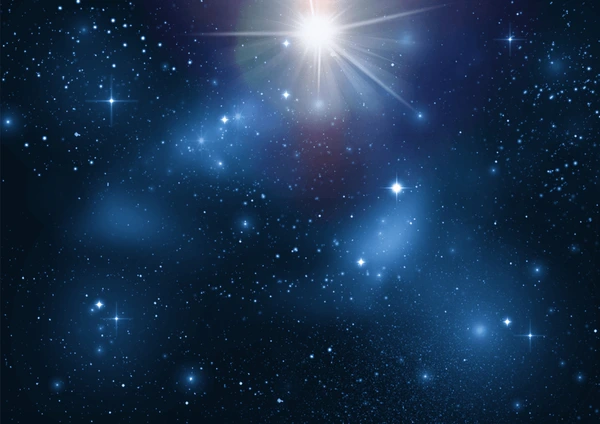
In my own pack, I always include a thermos of hot chocolate, a first‑aid kit and a lightweight mirror to reflect the sky for a different perspective. If you plan on photography, carry a digital camera with manual settings and a sturdy tripod. For astrophotography novices, start with wide‑angle shots of the Milky Way using a higher ISO and a 20‑second exposure. Experimentation is part of the fun, and Hocking Hills provides a forgiving learning environment because the sky is so rich with targets.
Stargazing Tips and Etiquette
Good stargazing extends beyond equipment. Checking the weather forecast for clear skies and low humidity will increase your chances of a dazzling view. Be mindful of the moon phase: a new moon or a moonless night is optimal. Dress in layers—temperatures drop quickly after sunset, even in summer—and wear sturdy shoes, as trails can be uneven. Bring snacks and water so you can stay comfortable without needing to pack up early.
Respecting the environment and fellow stargazers is part of responsible practice. Keep noise to a minimum, avoid playing music out loud and leave no trace by packing out all trash. Use red lights to preserve night vision and never point lasers near other observers. If you’re driving into a dark site, turn off headlights as soon as you park and allow your eyes time to adjust. These small courtesies ensure everyone enjoys the stars equally.
Is Hocking Hills good for stargazing? Experiences and Stories
Standing beneath the dark dome of Hocking Hills for the first time is a humbling experience. The sheer number of stars can be overwhelming, and it’s easy to feel a connection to all the humans before us who used the night sky to navigate and tell stories. During one visit, I lay on a blanket during the Perseid meteor shower and counted dozens of shooting stars within an hour. The crowd around me whispered in excitement each time a fireball streaked across the sky, and strangers bonded over shared awe. In another season, I watched a young family at JGAP see Saturn through a telescope for the first time, their gasps echoing in the quiet field.
Stories like these underscore that Is Hocking Hills good for stargazing? isn’t just about astronomy; it’s about human connection. People gather at the John Glenn Astronomy Park to view comet NEOWISE or to marvel at the Andromeda Galaxy. They share blankets, swap tips and create memories that become part of the lore of the hills. Whether you’re alone with your thoughts or sharing the night with a group, Hocking Hills fosters a sense of community under the stars.
Stargazing and the Science Behind It
Astronomy is more than just pretty lights—it’s a gateway to understanding our place in the universe. The Milky Way you see overhead in late summer is the disk of our galaxy viewed from within; the bright band comprises billions of stars that our eyes blur into a continuous glow. When you spot a meteor shower, you’re watching particles the size of sand grains burning up in Earth’s atmosphere. Recognizing these facts deepens the experience; you start to see patterns and seasons in the sky, just as ancient cultures did.
Hocking Hills offers accessible opportunities to learn this science. At JGAP, volunteers and professional astronomers provide context: pointing out red supergiant Betelgeuse, explaining why Saturn’s rings tilt differently each year, or telling the myth behind the constellation Cygnus. The area’s dark skies are also ideal for astrophotographers capturing nebulae and galaxies. If you’re interested in diving deeper, the International Dark-Sky Association offers resources on minimizing light pollution and planning dark sky trips, though you don’t need to be an expert to appreciate the wonder.
Where to Stay: Turning Your Stargazing into a Vacation
After a long night of celestial exploration, having a comfortable place to rest enhances the experience. Hocking Hills is home to secluded cabins, boutique inns and luxury lodges. For those seeking privacy and upscale amenities, luxury hocking hills rentals and Hocking Hills rentals offer cabins with hot tubs, fireplaces and panoramic views. These properties sit on multiple acres, so you can step outside your door and be greeted by a canopy of stars.
If you’re planning a family trip or traveling with friends, consider Places to stay in hocking Hills. Options range from cozy one‑bedroom cottages to large lodges that sleep twelve, making them ideal for group stargazing adventures. Many properties include outdoor fire pits and decks where you can set up chairs and telescopes. Whether you’re seeking vacation rentals in hocking hills with rustic charm or luxury hocking hills rentals with modern comforts, you’ll find lodging that complements your astronomical itinerary. Booking a cabin with a private hot tub can turn a stargazing evening into a romantic escape.
Combining Day Adventures and Night Skies
One of the joys of Hocking Hills is that your days can be as full as your nights. Hike to Cedar Falls in the morning, explore the depths of Whispering Cave in the afternoon and then lay under the stars after dinner. The region’s network of trails and parks makes it easy to craft an itinerary that balances exercise, scenery and relaxation. If you’re staying near Lake Logan, paddle across the lake at sunset and watch the first stars appear as you glide back to shore.
For families, combining outdoor education with stargazing can turn a vacation into a living science lesson. Younger children often delight in looking for the Big Dipper or hearing the story of Orion. Teenagers may enjoy capturing night‑sky photos on their phones or participating in JGAP’s guided programs. Adults can savour the peace that comes with stepping away from screens and reconnecting with the natural world.
Future Developments and Preservation
The popularity of stargazing in Hocking Hills has grown since JGAP opened in 2018, and local organisations are exploring additional measures to protect the night sky. Advocates are working with surrounding communities to adopt dark‑sky‑friendly lighting ordinances that reduce glare without compromising safety. Light pollution is a growing concern worldwide, and Hocking Hills serves as a model for balancing tourism with preservation. Visitors can support these efforts by using shielded outdoor lights at cabins, choosing properties that prioritise dark sky stewardship and spreading awareness of the importance of dark skies.
As we move into the future, technology will continue to shape our experience of the sky. Satellite constellations like Starlink sometimes appear as strings of lights that cut across long exposures, and astronomers are collaborating with companies to mitigate the impact. For now, Hocking Hills remains largely unaffected, but staying informed and advocating for responsible practices will help keep its skies pristine.
Final Thoughts: Is Hocking Hills Good for Stargazing?
There’s a special kind of magic that comes from lying on your back in a dark field and seeing the universe unfold above you. Hocking Hills offers that magic in abundance. Its geography protects the night, its community values dark sky heritage and its parks invite everyone—from the curious beginner to the seasoned astronomer—to take part. If you’ve ever asked yourself Is Hocking Hills good for stargazing?, the best answer is to go and see for yourself. You might arrive for the waterfalls and leave with a renewed sense of wonder about your place in the cosmos.