Travelers from northeast Ohio often wonder “How long is the drive from Cleveland to Hocking Hills?” The journey covers roughly 170 miles and can take anywhere from three to four hours depending on traffic, route choice and how often you stop along the way. Leaving the busy city streets behind, you soon find yourself cruising through rolling farmland, passing the occasional small town and crossing rivers that cut through the heart of the state. For anyone who values both efficiency and enjoyment, knowing the basics of the route and what lies ahead can transform a simple drive into the first chapter of your getaway. In this article I’ll share travel times, route options, scenic highlights and insider tips on lodging so you can start your trip with confidence.

Understanding the route: the drive from Cleveland to Hocking Hills?
Several major highways connect Cleveland to southeast Ohio, but the most direct path is usually Interstate 71 south toward Columbus and U.S. Route 33 east toward Logan. From Cleveland’s western suburbs it’s about 2.5 to 3 hours to the outskirts of Columbus, and another half hour to reach the towns surrounding Hocking Hills State Park. Travel time may extend to four hours if you catch rush‑hour congestion around Columbus or choose a slower scenic route through Amish country. As a Cleveland native I find that leaving early in the morning helps avoid heavy traffic and allows time for coffee breaks in small towns like Mount Vernon or Circleville. Either way, the drive is short enough to make the region accessible for weekend trips yet long enough to feel like a true escape.
What to expect along the way
The route south from Cleveland quickly moves from urban freeways to rural two‑lane roads. After the bustle of the city, the landscape opens into wide cornfields and gentle hills dotted with barns. About two hours into the trip you’ll skirt Columbus, Ohio’s capital, which offers attractions such as the COSI science museum and the popular North Market food hall—worth a stop if you want to stretch your legs. Leaving Columbus behind, U.S. 33 winds east through the scenic Hocking Valley, where tree‑lined ridges give a hint of the cliffs and gorges you’ll soon explore. As you near Logan, the gateway town for the state park, keep an eye out for local shops selling antiques, handmade crafts and regional food that add flavor to your journey.
What makes Hocking Hills unique
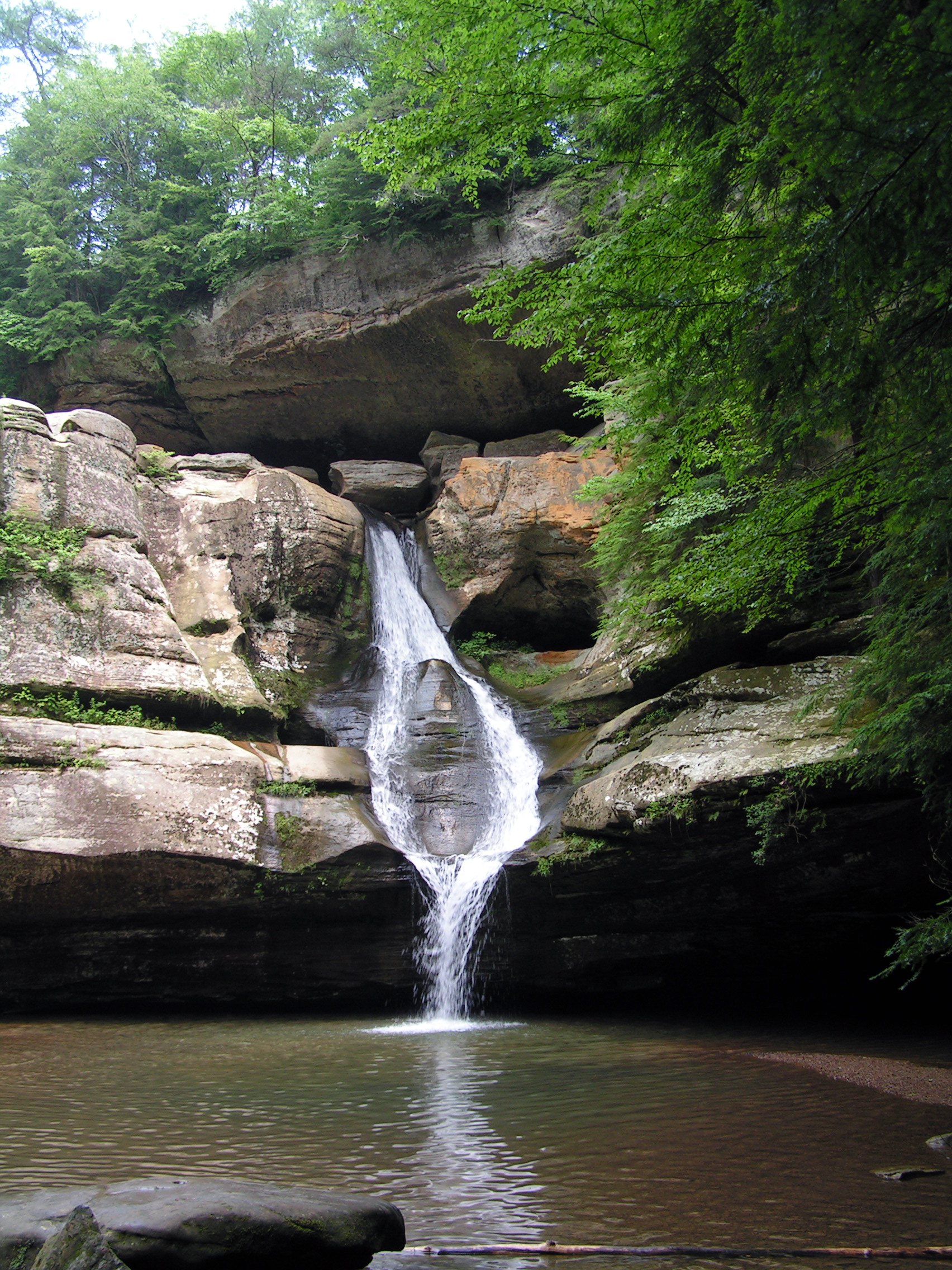
Hocking Hills is not a single loop trail but a collection of seven separate natural areas spread across miles of winding roads. Each area features distinct rock formations sculpted from Blackhand sandstone, waterfalls that cascade over ledges, and caves carved over millennia by water and ice. Old Man’s Cave offers stone bridges and a recessed gorge; Cedar Falls reveals a powerful waterfall after a walk through a hemlock‑lined ravine; and Ash Cave contains one of the largest recess caves in the Midwest. Together these areas create a landscape that feels worlds away from the flat fields of northern Ohio.
Beyond its geological wonders, Hocking Hills offers a year‑round escape. Spring brings wildflowers and roaring waterfalls, while summer delivers lush green canopies for shady hikes. Fall is famous for brilliant foliage that paints the cliffs and ridges, and winter turns waterfalls into icy sculptures with fewer crowds. With more than twenty miles of trails, accessible paths for visitors with mobility challenges and amenities like picnic areas and lodges, the park caters to both casual walkers and avid adventurers. It’s this blend of natural diversity and user‑friendly design that makes the region special.
How big is Hocking Hills?
Understanding the scale of Hocking Hills helps set expectations for your visit. The state park itself encompasses about 2,356 acres and includes a 17‑acre reservoir, while the broader region—often referred to as the Hocking Hills area—extends across roughly 13,000 acres of forest and protected land. Despite being smaller than many national parks, the area’s concentration of cliffs, gorges and waterfalls means there is much to explore within a relatively compact space. A brief overview of trail lengths underscores this variety: Old Man’s Cave offers loops between one and 1.5 miles with 60‑ to 90‑minute hiking times; Cedar Falls has a half‑mile path that takes about 40 minutes and includes stairs and bridges; and Ash Cave is a wheelchair‑accessible half‑mile trail that also takes roughly 40 minutes. These numbers demonstrate that even short trails pack in plenty of scenery, so you can see multiple areas in a single day.
Is Hocking Hills worth the trip?
Absolutely. For many travelers, the question isn’t just “How long is the drive from Cleveland to Hocking Hills?” but whether the scenery justifies the hours behind the wheel. The answer is a resounding yes. Standing beneath the towering cliffs of Old Man’s Cave or watching sunlight filter through the hollow of Ash Cave, you’ll forget you’re still in Ohio. The diversity of trails means that families, couples and solo hikers alike can find routes that match their abilities. Add to this the opportunity to kayak on Lake Logan, zip‑line through the tree canopy or stargaze at the John Glenn Astronomy Park and you have a destination that appeals to more than just hikers. Even after dozens of visits, I still find new corners to explore.
The experiential value
Beyond its physical beauty, Hocking Hills offers an intangible sense of peace. The sound of water rushing over rocks, the smell of hemlock trees and the play of light on sandstone cliffs work together to calm busy minds. For me, part of the joy of the drive is anticipating that moment when the road bends and the hills come into view. It’s a chance to slow down, reconnect with nature and share memories with friends and family. In a fast‑paced world, those experiences are priceless.
Planning your itinerary
A well‑planned itinerary ensures that you make the most of your trip without feeling rushed. Locals and returning hikers agree that two and a half to three days is the sweet spot for exploring the main trails. On a short weekend, you might hike Old Man’s Cave in the morning and Cedar Falls in the afternoon. A second day allows time for Ash Cave and Rock House, while a third day opens up remote trails like Cantwell Cliffs or the 4.5‑mile Whispering Cave trail. If you’re limited to one day, choose one or two trails and leave time to enjoy lunch or shopping in nearby Logan. Packing snacks, water, comfortable shoes and layered clothing is essential regardless of the season.
To help you visualize trail options at a glance, the table below summarizes the major trails’ lengths, difficulty and estimated hike time. Use it as a quick reference when mapping out your days. Remember, these are general estimates—your pace and the number of photo breaks you take will influence how long each hike actually lasts.
| Trail | Distance | Estimated Time | Notes |
|---|---|---|---|
| Old Man’s Cave | 1 mi (Exit 1) / 1.5 mi (Exit 2) | 60–90 min | One‑way loop with stone bridges and multiple falls |
| Cedar Falls | 0.5 mi | 40 min | One‑way path with stairs and a seasonal waterfall |
| Ash Cave | 0.5 mi | 40 min | Wheelchair‑accessible path to a recess cave and waterfall |
| Rock House | 1 mi | 45–60 min | True cave accessible via a moderate loop |
| Cantwell Cliffs | Two 1‑mi loops | 60–80 min per loop | Rugged, remote terrain |
| Whispering Cave | 4.5 mi | 2–3 hr | Difficult trail with swinging bridge |
| Grandma Gatewood Trail | 6 mi one way | 3–5 hr | Connects Old Man’s Cave, Cedar Falls and Ash Cave |
Choosing where to stay
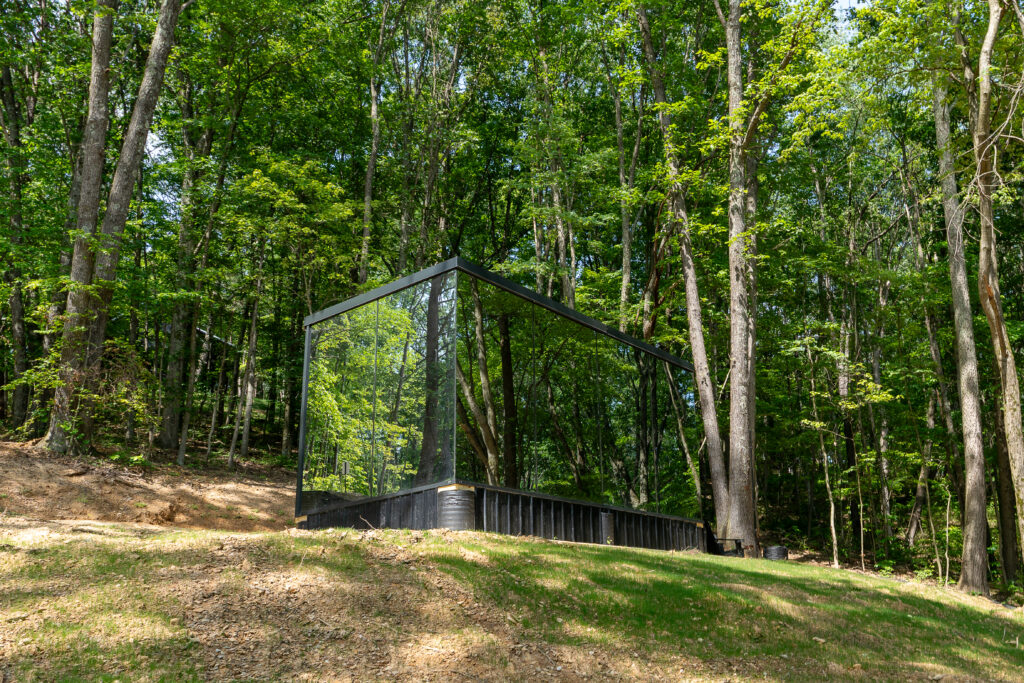
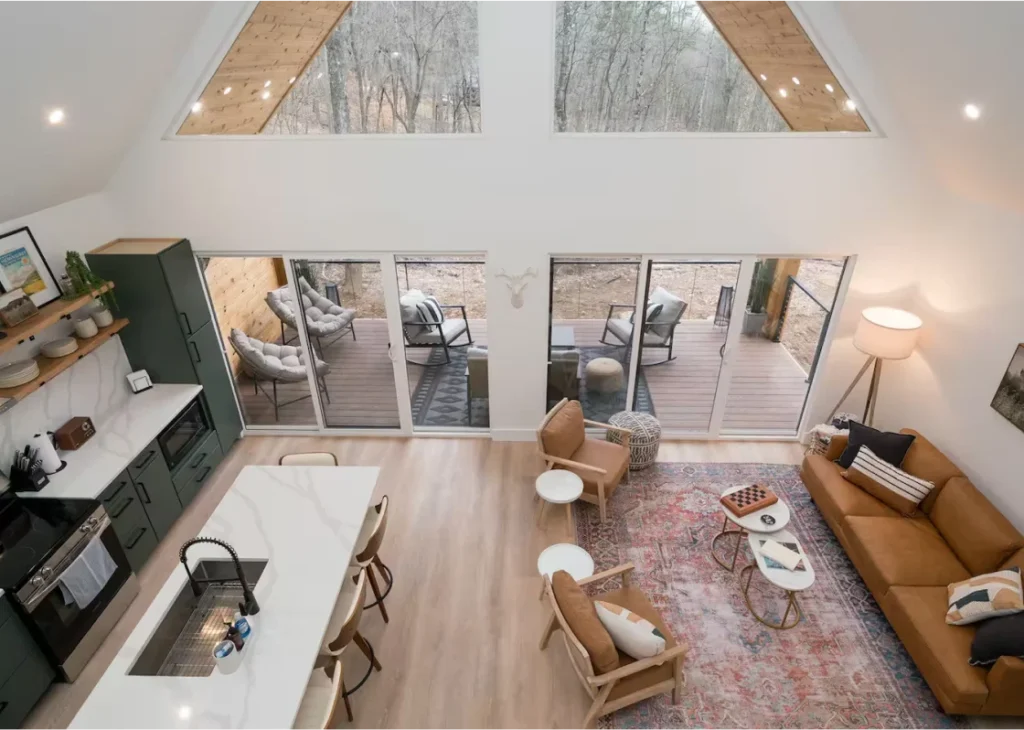
Where you stay can shape your experience as much as the trails you choose. Hocking Hills offers everything from primitive campgrounds to boutique lodges, but one property stands out for those seeking comfort and style: Notestone Reserve. Spread across 13 acres of pristine woodlands, Notestone Reserve blends modern architecture with the serenity of nature. Each unit—from cabins to tiny homes to glass‑walled mirror studios—comes with a private hot tub, outdoor fire pit and full kitchen. Families will appreciate extra amenities like game rooms, board games and pet‑friendly features, while couples might opt for a sleek tiny home equipped with a queen bed, fully equipped kitchen and cozy seating area. I love that every accommodation includes thoughtful touches such as French presses for morning coffee and stylish finishes that match the natural surroundings.
What really sets Notestone Reserve apart is its central location. The property is just seven minutes from Rock House, about 13 miles from Old Man’s Cave and a short drive to the visitor center. Staying here reduces time spent in the car between trailheads, making it easier to fit more hikes into your day. It also serves as a quiet base for evenings spent relaxing on the deck or soaking under the stars. When planning your lodging, consider whether you want the convenience and amenities of a cabin or the simplicity of camping. There are many options, but for a balance of comfort and proximity, Notestone Reserve is hard to beat.
Comparing lodging options
If you’re drawn to small spaces and minimalism, check out Hocking Hills Tiny Home Rentals offered by Notestone Reserve. These lofted tiny homes provide a cozy retreat with modern conveniences and private outdoor spaces. For those seeking more room, the site’s larger cabins accommodate families or groups and come with hot tubs, game rooms and spacious decks. Other options in the region include rustic campsites, state park cabins and boutique lodges. When comparing prices and features, factor in amenities like full kitchens, pet policies and distance to trailheads. If you’re planning a special celebration or want a luxurious base for exploring, I recommend booking early—Hocking Hills accommodations fill up quickly, especially during peak fall weekends.
Seasonal considerations and when to visit
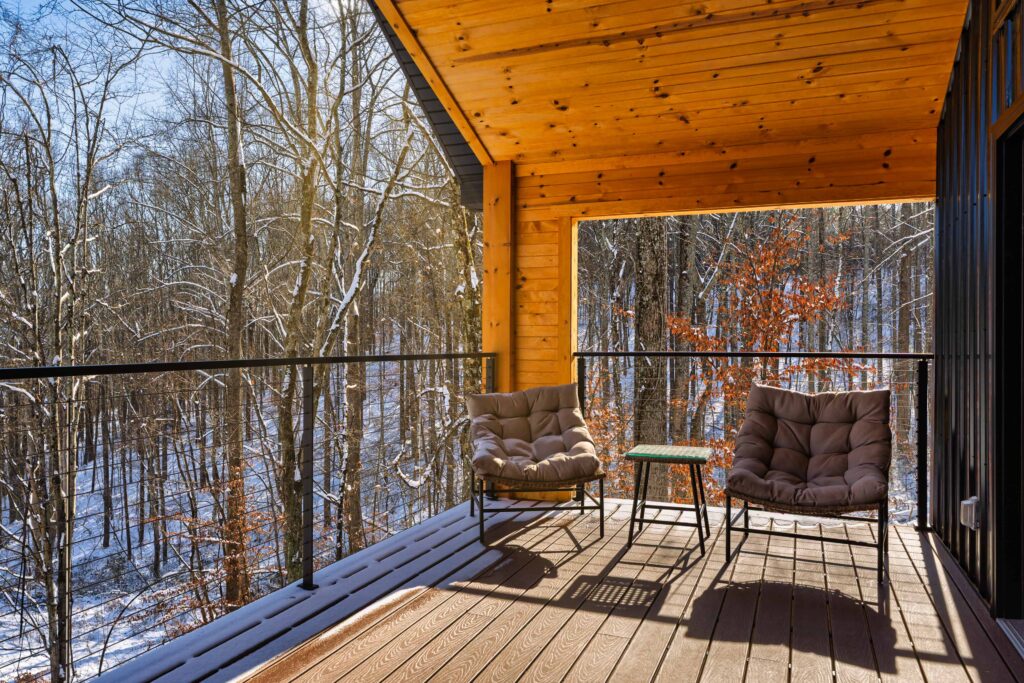
Timing your trip can dramatically affect your experience. Summer offers long days and warm weather but also draws large crowds and potential humidity. Fall is arguably the most popular season, with vibrant foliage that peaks around mid‑October and cool hiking temperatures. Keep in mind that leaf‑peeping season brings heavy traffic on trails and roads, so book lodging months in advance and arrive early at trailheads. Winter transforms the park into a quieter wonderland; frozen waterfalls and snow‑dusted cliffs create magical scenes, though some trails may be slippery. Spring brings rushing waterfalls thanks to snowmelt and rain, along with blooming wildflowers. Check trail closures and road conditions before departing; the Ohio Department of Natural Resources provides updates on the park’s official website.
Weather and safety tips
Weather in Hocking Hills can change quickly, especially in shoulder seasons. Always pack layers, waterproof footwear and extra water. Cell service can be spotty on the trails, so download maps in advance and consider carrying a printed trail guide. When hiking in winter, traction devices for your boots and trekking poles are wise investments. During summer, beat the heat by starting early in the morning and taking breaks in shaded areas. Regardless of season, stay on marked trails to protect fragile ecosystems and ensure your safety.
Essential tips for your road trip
Driving from Cleveland to Hocking Hills may seem straightforward, but a few preparations will make the journey smoother. First, fuel up your vehicle before leaving the city and bring snacks and water for the drive; gas stations become less frequent as you approach the park. Second, download your directions offline because cell service can be unreliable in rural areas. Third, consider stopping halfway to explore Columbus—perhaps grabbing lunch at the North Market or visiting COSI—before continuing south. Finally, if you’re traveling with children or pets, plan for rest breaks at parks or scenic overlooks so everyone arrives refreshed.
Once you arrive, you’ll find plenty of ways to unwind. After hiking, treat yourself to a craft beer at a nearby brewery, shop for antiques in Logan, or simply relax in your hot tub at Notestone Reserve. If you’re looking for inspiration on how many days to stay, check out Notestone’s blog article How many days do you need to explore Hocking Hills? for itinerary ideas and time estimates. And if you’re curious to explore more unique stays or plan future trips, their website also offers information on Getaways in Hocking Hills and options to Rent a Cabin in Hocking Hills. For an additional perspective on the park, consider reading the Guide to Hocking Hills State Park from the Hikes and Hops blog, which offers another hiker’s insights into the region’s trails and attractions.
Conclusion
By now you should have a clear answer to “How long is the drive from Cleveland to Hocking Hills?” The journey typically takes three to four hours depending on route and stops, but the reward is a landscape packed with waterfalls, caves and towering cliffs that make every minute worthwhile. Whether you spend a day or a long weekend, plan your itinerary around the park’s seven distinct areas, take advantage of well‑designed trails and choose accommodations that suit your travel style. A stay at Notestone Reserve adds comfort and convenience, while still immersing you in the natural beauty of the hills. Pack your bags, queue up your favorite road‑trip playlist and enjoy the drive; the wonder of Hocking Hills awaits just a few hours south of Cleveland.